2 Big pillars of our health
the Autonomic nervous system
the Microbiome
Every moment,
our Brain and autonomic nervous system
is assessing if the world
is Threatening or Safe
Perceived DANGER
SYMPATHETIC activation
Sympathetic is mobilising, catabolic, inflammatory, increases blood sugar levels and blood pressure, creates more Oxidative stress
Perceived SAFETY
PARASYMPATHETIC activation
2 very different Physiologies
The Parasympathetic is where repair and digestion happen there is less oxidative stress and inflammation can get resolved
The vagus nerve is the brakes on the danger signalling.
When it is activated we can return to a mode where the body can heal, rest, repair and digest food.
We are designed to be in parasympathetic most of the time and sympathetic only when we are “trying to get away from the Tiger”
But In our modern worlds where we are overstimulated, not moving enough, out of synch with nature, daylight and exposed to a myriad of toxicities and new materials it is more common than not to become stuck in the sympathetic mode. Our bodies cannot keep up with the demands and constant adjustments that are required to maintain Allostatic balance.
Safety starts at a cellular level
Even at the level of the mitochondria safety or danger create very different signalling and response pathways
In the Sympathetic mode the Cell Danger response can get initiated and if the body gets stuck there the response gets locked and cannot go through the 3 stages of resolution

So before we can truly receive the benefits of any intervention or treatment we need to access and often rebalance our autonomic nervous system by retraining the Vagus Nerve.
At ALIGN THE POINTS we create a comprehensive vagus protocol individualised to your needs before we embark on any health journey.
Looking at HRV, your stress load bucket, sleep, life style, breathing and Mental and emotional outlook we create a plan that starts moving the needle towards a state where healing can happen.

Making shifts to the gut eco system is not just a one size fits all.
It requires individualised PACING and SEQUENCING what to introduce, when etc.
This will depend on the person’s health history, nervous system state and their specific terrain at any one time.
Looking at patterns and the general symptom picture rather than just focusing on individual markers
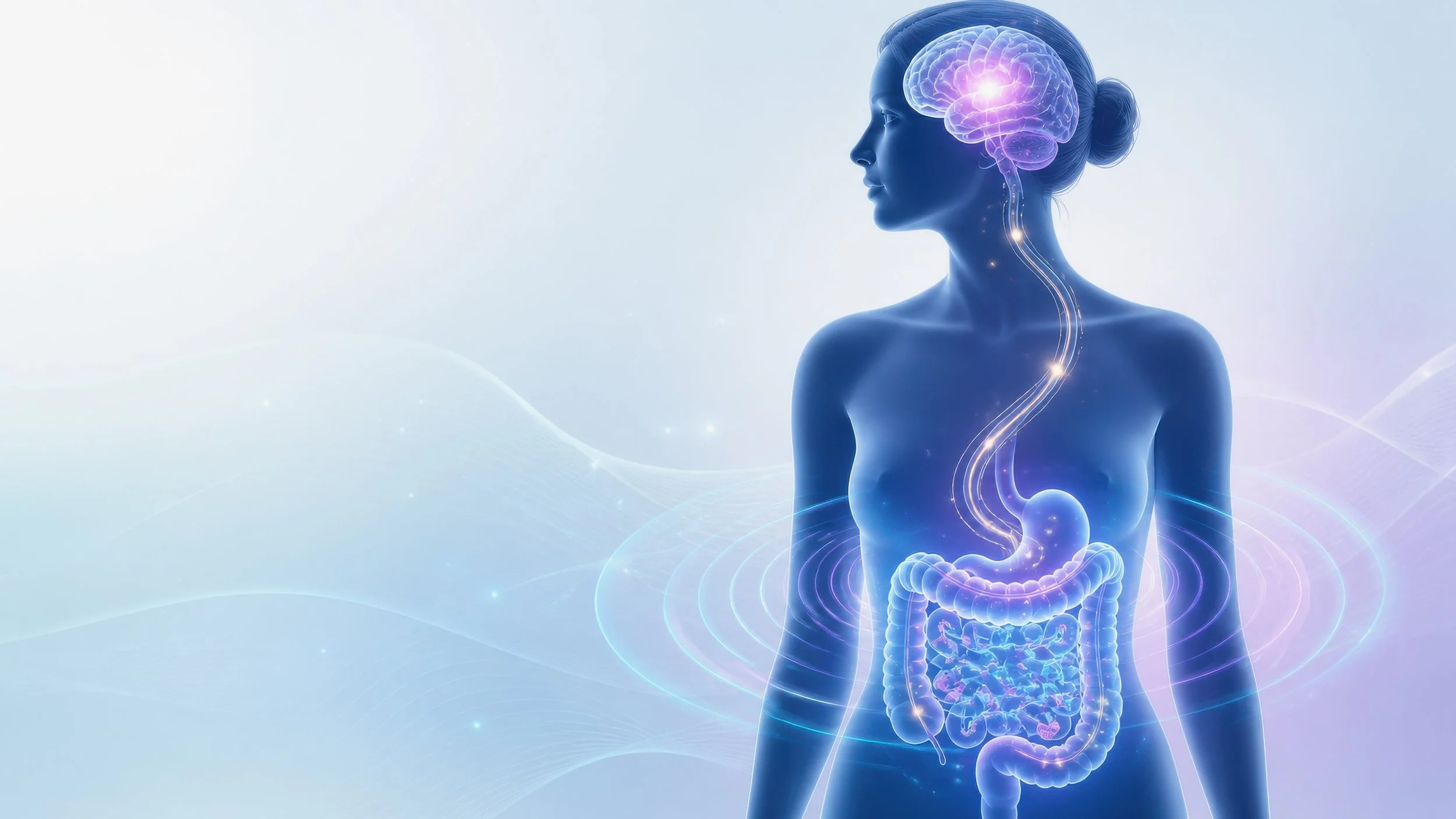
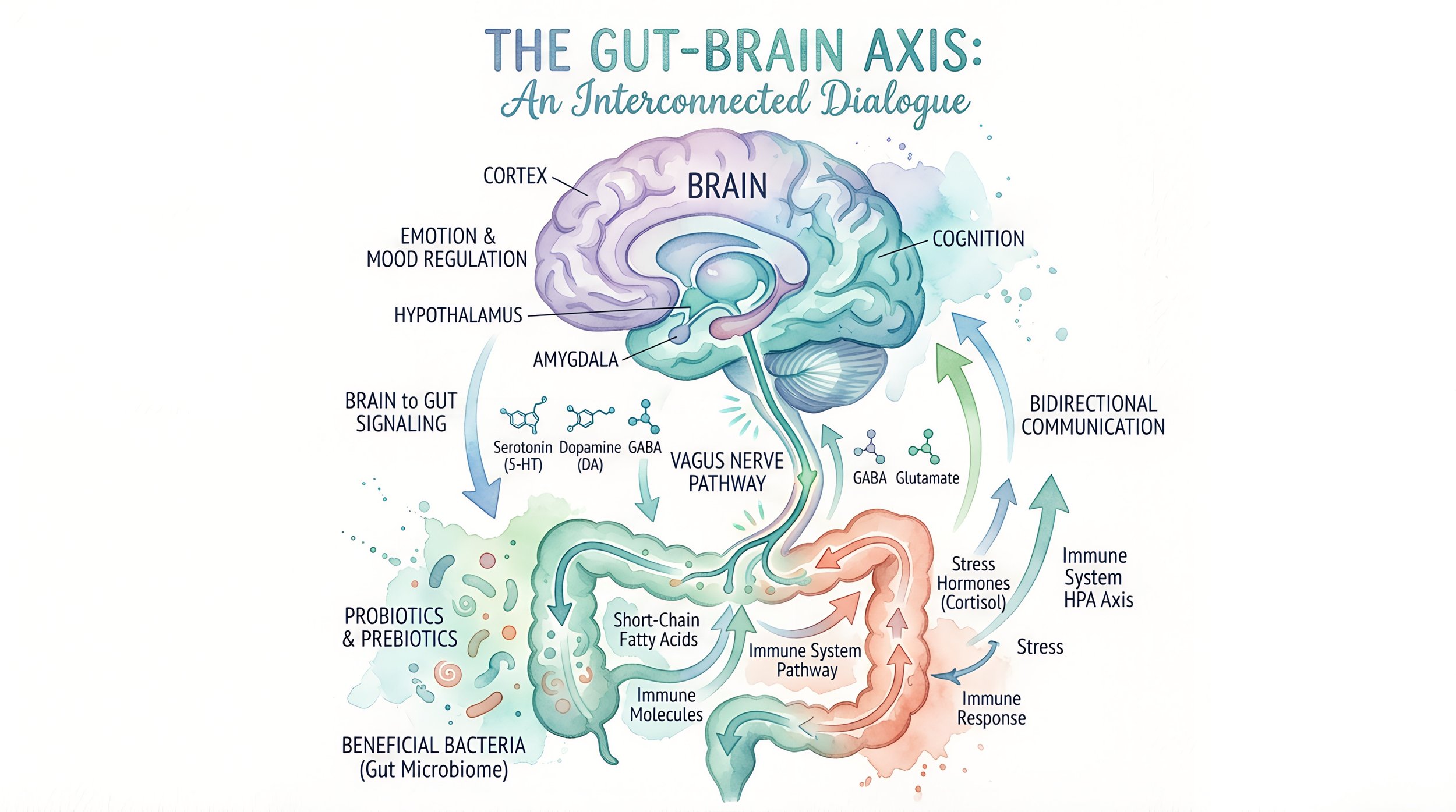
The gut and brain are in constant communication.
When working with the gut this connection is a very strong foundation of our approach.
More info coming soon